Different Types of Copper Wire Scrap: A Complete Guide
TL;DR: Copper wire scrap is graded by purity, coating, and condition. The cleanest grade — bare bright wire (#1) — fetches the highest price (around S$9.20–9.80/kg as of 27 Apr 2026). Lower grades like braziery (#3), enameled magnet wire, tinned wire, and aluminium-core cables fetch progressively less. Knowing which category your wire falls into directly affects your payout.
Not all copper wire scrap is equal. A roll of bare bright telecom wire and a coil of old enameled motor winding look superficially similar — both are copper — but their scrap values can differ by 30% or more. Yards buy by grade, and grade depends on the wire’s condition, coating, insulation, and copper content. This guide walks through every major category of copper wire scrap we see at Molten Steel’s Singapore yards, with visual descriptions, typical applications, and current SGD price brackets.
For a broader primer on copper grading beyond wire, see our copper scrap grades guide. If your wire is still insulated and you are considering stripping it yourself, we have a separate walkthrough on whether stripping copper wire is worth it.
Bare Bright Copper Wire (#1 Bare Bright)
Bare bright is the platinum tier of copper wire scrap. It is uncoated, unalloyed, solid (not stranded with impurities), and typically at least 1.6 mm in diameter. Think new-build electrical offcuts, untarnished telecom wire, and clean busbar trimmings. The surface should be shiny orange-pink with no green patina, no solder blobs, no paint, and no insulation residue.
Typical sources: electrician offcuts from new installations, telco fibre-cable copper cores, data centre cable waste, untarnished busbar clippings.
Price bracket (April 2026): S$9.20–9.80 per kg, tracking roughly 96–98% of LME copper spot. This is the benchmark against which all other grades are discounted.
#1 Copper Wire (Clean Copper)
#1 copper wire is unalloyed copper that is clean of insulation but may have minor surface oxidation or a slight patina. It must be free of burnt, coated, or tinned material. Diameter minimum is usually 1.6 mm. You will see it described in ISRI codes as Berry or Candy — the terminology is used internationally and we honour the same standard in Singapore.
Visual test: when you scratch the surface, the copper underneath should still show pink-orange. A uniform dark brown is fine; a green/blue crust signals oxidation heavy enough to push it into #2.
Price bracket (April 2026): S$8.70–9.30 per kg.
#2 Copper Wire
#2 covers unalloyed copper wire that is dirty, oxidised, soldered, or of mixed diameters. Insulation must still be fully removed. Alloyed wires (brass, bronze) do not qualify — those go into their own categories. Think heavily oxidised rewound-motor copper, lightly soldered telecom wire bundles, or stripped-but-tarnished building wire.
Price bracket (April 2026): S$7.80–8.40 per kg — roughly a 10–15% discount to #1.
#3 Copper Wire (Braziery / Birch-Cliff)
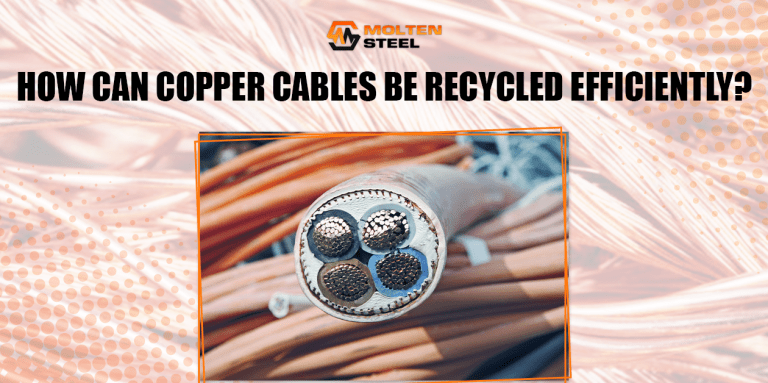
Braziery — sometimes called #3 copper or Birch-Cliff in the US — is copper wire still inside insulation, where the total copper recovery after stripping is typically 50–70%. This is the most common category for household and building-site electrical cables: the familiar red-white-yellow Singapore mains cable, thin power cords, and extension leads all fall here.
Key point: we buy braziery as-is. You do not need to strip it yourself unless the volume justifies the labour. For a cost-benefit breakdown see our wire stripping guide.
Price bracket (April 2026): S$4.20–6.00 per kg, depending on the copper-to-plastic ratio. Thicker gauges pay more because the copper core is larger relative to the sheath.
Enameled Magnet Wire (Motor Winding)
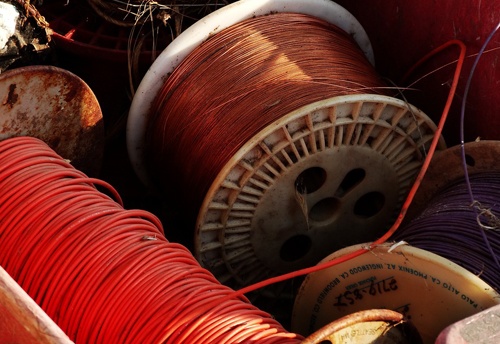
Magnet wire is the fine copper wire wrapped around motor armatures and transformer cores. It is coated with a thin enamel insulation — usually brown, red, or green — that is not economical to strip manually. Common sources are burnt-out electric motors, old transformers, fluorescent-light ballasts, and automotive alternators.
Because the enamel burns off cleanly in industrial smelting, magnet wire is valued only slightly below #1 if the coil is intact and free of iron laminations. Mixed with steel armature stubs, the price drops sharply — we pay by copper content after separation.
Price bracket (April 2026): S$7.20–8.50 per kg (clean, separated magnet wire); motor-bodies-still-attached get quoted at a lower blended rate.
Tinned Copper Wire
Tinned copper has a thin layer of tin coating applied for corrosion resistance and solderability. You will find it in marine wiring, audio cables, appliance earth leads, and some aerospace assemblies. Visually it looks silver-grey rather than copper-pink, which is why some sellers mistake it for aluminium.
Smelters discount tinned copper because the tin has to be removed during refining. The underlying copper is fully recoverable, but the tin cost is passed through.
Price bracket (April 2026): S$6.80–7.80 per kg — roughly 15–20% below #1.
Aluminium-Core Wire (AL-CU Cable)
AL-CU is the trade name for cables where the conductor is aluminium but the sheath or connectors suggest copper at a glance. Common in overhead distribution lines, HVAC service drops, and legacy 1970s–80s building wiring in older Singapore flats. A magnet will not attract it (both Al and Cu are non-magnetic), so a scratch test is the quickest field check — aluminium shows silver-white under the surface; copper shows pink-orange.
Price bracket (April 2026): S$1.30–2.10 per kg as aluminium scrap. If sold mistakenly as copper it is rejected at intake, so honest declaration saves time for everyone.
Lead-Jacketed Copper Cable (Paper-Insulated Lead Cable / PILC)
PILC is an older type of high-voltage distribution cable, common in SP PowerGrid legacy infrastructure and industrial plants built before the 1990s. The jacket is lead, the insulation is oil-impregnated paper, and the core is solid copper. These cables are heavy — a 1 m section can weigh 8–15 kg — and contain three valuable materials at once.
Yards that handle PILC need special separation equipment because of the lead content. Molten Steel accepts PILC and pays on a three-part breakdown: copper core, lead sheath, and a disposal credit for the oil-paper insulation.
Price bracket (April 2026): blended S$4.50–6.00 per kg of cable, depending on the copper-to-lead ratio of the specific cable type.
How to Maximise Your Payout
- Sort before you weigh in. A single bin of mixed grades is paid at the lowest grade present. Even separating braziery from bare bright can add 30% to the invoice.
- Do a scratch test on anything suspicious. Silver-under-the-surface is aluminium; pink-orange is copper.
- Weigh insulated cable and check the current daily rate before deciding whether to strip.
- Keep magnet wire out of your #1 bin — it is worth good money in its own right, just not as #1.
- For anything over 100 kg we dispatch a van for free. WhatsApp a photo for a quick quote.
Frequently Asked Questions
What is the highest-paying copper wire scrap?
Bare bright wire (#1 bare bright) — uncoated, untarnished copper of at least 1.6 mm diameter — pays the highest, at roughly 96–98% of the LME copper spot price. As of April 2026 that is approximately S$9.20–9.80 per kg in Singapore.
Do I need to strip insulation before selling?
No. Molten Steel buys insulated wire (braziery / #3) directly. Stripping only pays off for thick-gauge cable in volumes above ~30 kg. See our stripping guide linked above.
Can I mix different copper wire grades in one bag?
You can, but the entire bag is then paid at the lowest grade present. Separating takes minutes and typically adds 15–40% to the invoice.
Related reading
- Sell your scrap wire in Singapore
- Copper Scrap Grades Singapore Guide
- How to Strip Copper Wire for Scrap
- Copper Scrap Buying in Singapore
- Current Scrap Metal Prices
- Clean vs Dirty Scrap Grading Explained
- Scrap Metal Glossary
Sell your scrap today. Molten Steel buys at LME-benchmarked rates across Singapore. Call +65 9106 7577 or WhatsApp.