Clean vs Dirty Scrap: Grading Explained
TL;DR — When dealers say “clean” scrap, they mean metal free of attachments, coatings, insulation, corrosion, and non-metal contaminants. “Dirty” scrap has all of those. The price gap is substantial — clean copper (“bare bright”) can pay 20–30% more than insulated cable of the same gross weight. Grading follows informal industry conventions loosely aligned with the US Institute of Scrap Recycling Industries (ISRI) codes. Here’s what each grade looks like across the common metals and how contamination eats your payout.
What Dealers Actually Mean by “Clean” and “Dirty”
“Clean” scrap is metal that a smelter can feed directly into a furnace without expensive pre-treatment. “Dirty” scrap requires the smelter (or the dealer) to strip, burn off, or mechanically remove contaminants before the underlying metal is usable.
Common contaminants that downgrade scrap:
- Attachments — steel bolts on a copper busbar, aluminium rivets on a steel panel, plastic clips on brass fittings.
- Coatings — paint, lacquer, plating (tin on copper, chrome on steel, anodising on aluminium).
- Insulation — PVC, rubber, or cross-linked polyethylene (XLPE) on copper or aluminium conductors.
- Corrosion products — rust on steel, oxide on aluminium, patina on copper.
- Foreign material — concrete, wood, glass, oil, water, dirt.
- Mixed metals — different alloys bundled together (e.g., brass mixed with bronze, stainless mixed with carbon steel).
Every contaminant has a cost: either the dealer spends labour to strip it, or the smelter factors the yield loss and energy cost into a lower bid — usually both.
Copper: Where Grading Matters Most
Copper is graded more granularly than any other metal because small purity differences translate to large price differences. Common grades:
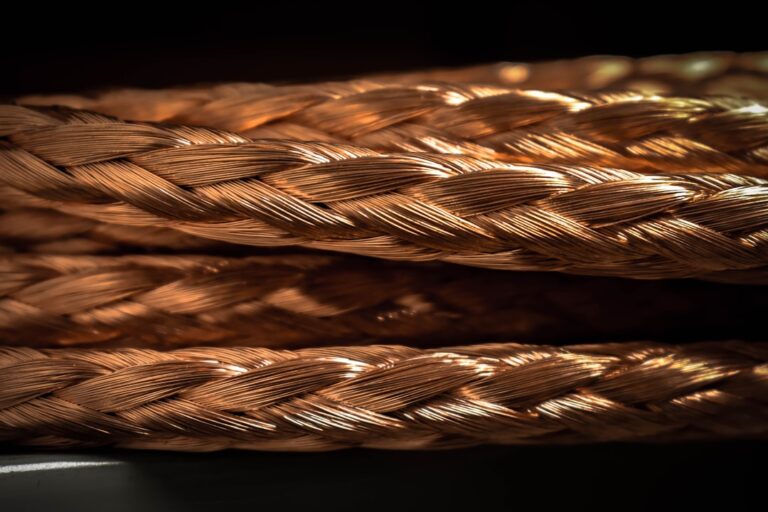
- Bare Bright (Cu #1, “candy”) — uncoated, unalloyed copper wire thicker than 1.6mm, shiny and clean. Highest price. Typical source: new-construction wire offcuts.
- Copper #1 (“berry/candy”) — clean tubing, busbar, heavy wire without attachments. Slight patina acceptable. ~2–5% below bare bright.
- Copper #2 (“birch”) — unalloyed copper with some tinning, soldering, light paint, or surface oxidation. ~10–15% below #1.
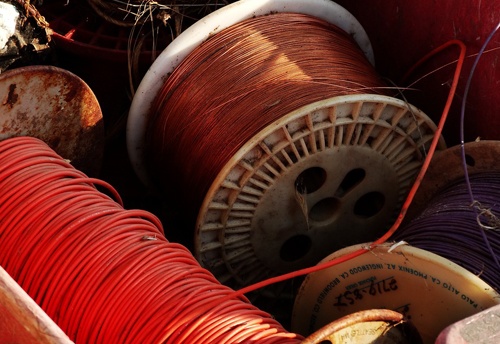
- Insulated wire, high grade (#1 ICW) — thick conductor with PVC insulation; recovery ~75% copper content. Paid on estimated recovery.
- Insulated wire, low grade (#2 ICW, “Christmas lights”) — thin strands with heavy insulation; recovery 30–50%.
- Mixed copper / sheet / irony copper — very discounted; contains steel attachments.
A practical example: 100 kg of bare bright at S$9/kg = S$900. The same 100 kg as #2 insulated wire might yield 40 kg recovered copper priced at S$7.50/kg after deductions = S$300. Same scale weight, one-third the payout. For live Singapore copper rates by grade, see our copper page.
Aluminium: Alloy Matters More Than Appearance
Aluminium grading is driven by alloy family, not just cleanliness. Common grades:
- Extrusion / 6063 clean — architectural aluminium sections, window frames with hardware removed. High price.
- Sheet / old cast / new cast — body panels, castings, housings. Middle tier.
- UBC (used beverage cans) — coated, low wall thickness; priced per UBC spec.
- Irony aluminium — has steel attachments (hinges, screws, inserts). Heavily discounted.
- Dirty aluminium — painted, oily, or mixed with non-metal. Discounted again.
Rule of thumb: one steel screw in a kilo of clean extrusion can drop the grade from “extrusion” to “irony” — a 20–30% hit. Spending 30 seconds with a drill driver often pays better than a barista shift. See aluminium scrap grades and rates.
Brass: Red vs Yellow, Clean vs Mixed
Brass is a copper-zinc alloy and grading splits on alloy composition plus cleanliness:
- Red brass (“ebony”) — higher copper content (~85%). Pumps, valves, bearings. Premium price.
- Yellow brass (“honey”) — lower copper (~60–70%). Plumbing fittings, locks, decorative hardware. Standard price.
- Brass turnings / shell — machining swarf or cartridge-style thin-wall material. Discounted.
- Dirty brass — painted, with steel/zinc plating, or with non-brass attachments. Further discounted.
Iron contamination is the worst offender in brass. Steel screws, rusted fixings, or ferrous clips drag a whole load into “dirty” territory. See brass scrap grades.
Stainless Steel: 304 vs 316 vs “Other”
Stainless grading is alloy-driven. The two most common grades:
- 304 (18/8) — ~18% chromium, ~8% nickel. Commercial kitchen equipment, railings, sinks. Mid-range price.
- 316 — adds ~2–3% molybdenum for corrosion resistance. Marine hardware, chemical process equipment, medical. Premium.
- 400 series (magnetic stainless) — lower or zero nickel. Exhaust systems, some cookware. Discounted vs 304/316.
- Mixed stainless / “other” / attached to carbon steel — priced conservatively; the smelter assumes the worst-case alloy composition.
A dealer with an XRF (X-ray fluorescence) handheld analyser can verify grade on the spot; this is standard practice for high-value stainless loads. See stainless steel scrap.
How to Present Scrap for the Best Grade
You don’t need to run a stripping line. A few simple habits materially improve payout:
- Segregate by metal type — separate buckets or skips for copper, aluminium, brass, stainless, ferrous.
- Remove obvious attachments — steel bolts off copper busbar, nails out of aluminium frames.
- Keep grades apart — bare bright in one container, insulated wire in another. Don’t mix grades “to make it easier.”
- Keep scrap dry — wet scrap weighs more but gets quality-discounted.
- Ask before stripping insulation — for mid-to-large loads, the dealer’s shredder may recover cleaner than manual stripping.
See our full how to sell guide for the dropoff/pickup workflow.
The Bottom Line
“Clean” and “dirty” aren’t insults — they’re shorthand for how much work remains between the scale and the furnace. The closer your scrap is to furnace-ready, the closer your price is to LME. Spending a little effort on segregation and attachment removal is, hour-for-hour, one of the best-paid activities in scrap.
Related Reading
- Copper Scrap Singapore — Grades & Rates
- Aluminium Scrap Singapore — Grades & Rates
- Brass Scrap Singapore
- Stainless Steel Scrap Singapore
- Scrap Metal Glossary
Sell your scrap today. Molten Steel buys at LME-benchmarked rates across Singapore. Call +65 9106 7577 or WhatsApp for a quick quote.
Clean copper pays 30% more than dirty copper of the same weight. Segregation is the highest hourly rate in scrap.
Molten Steel Pte Ltd — NEA-licensed scrap metal dealer, Singapore