Selling Scrap to a Dealer vs Carousell: Which Pays More?
TL;DR. Both options have their place. Carousell can beat a dealer on a single, high-value, clearly-identified item — a bronze boat propeller, an intact catalytic converter, a specific copper fitting a hobbyist wants. Dealers win on anything bulk, mixed, bulky to ship, or where you value your time. The real question is not "who pays more per kilogram" but "who pays more per hour after packaging, shipping, and lowballs".
We get this question a lot, usually from first-time sellers who have seen a single listing on Carousell with a surprisingly high price and wonder if they are leaving money on the table by selling to a dealer. The honest answer: sometimes yes, usually no. Here is the comparison we would give a friend.
When Carousell Wins — Single High-Value Items With a Hobbyist Market
Carousell is a consumer marketplace, which means the buyer is often an individual with a specific project in mind. That creates inefficiency, and inefficiency can work in your favour if you have exactly what someone is looking for. Examples where Carousell genuinely beats dealer pricing:
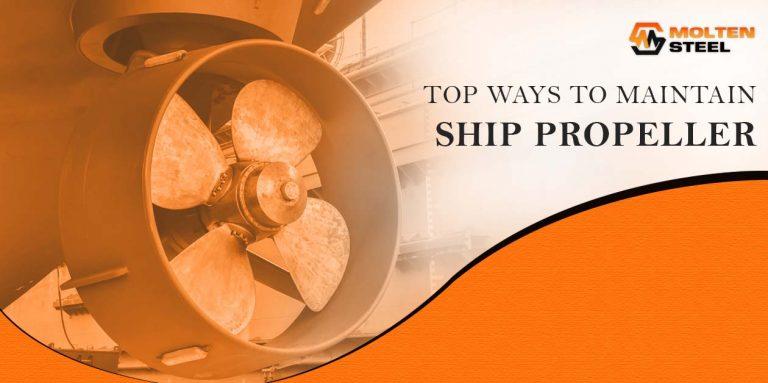
- Bronze boat propellers — hobbyist boat owners and restorers will pay collector money. A dealer pays bronze-grade scrap, which is much less
- Intact catalytic converters from specific models — some buyers rebuild, resell, or refurbish. Scrap value and collector value can diverge significantly. (We pay well for cats too — see our catalytic converter guide — but the rare-model premium is a Carousell thing)
- Vintage copper cookware, brass instruments, signage — these have artistic or decorative value that dealers can't price in
- Specific copper bus bars or thick-gauge wire that a DIY electronics buyer wants
- Used but functional tools — a working pipe threader is worth far more as a tool than as brass scrap
The common thread: one item, clearly photographed, with a motivated end-user who is not a recycler. If you have that, list it.
When a Dealer Wins — Bulk, Mixed, Bulky, or Time-Sensitive
Carousell breaks down the moment you have more than one or two items, or items that are heavy, dirty, or hard to describe. A dealer wins on:
- Any bulk load — 50kg of mixed copper wire is not a Carousell product
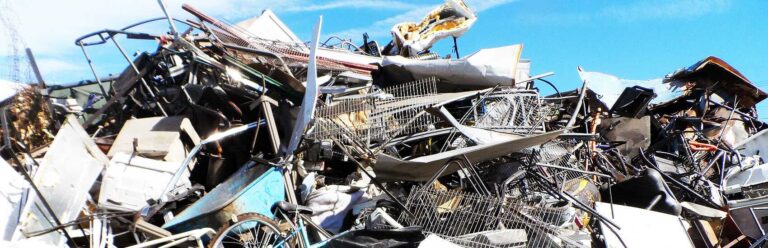
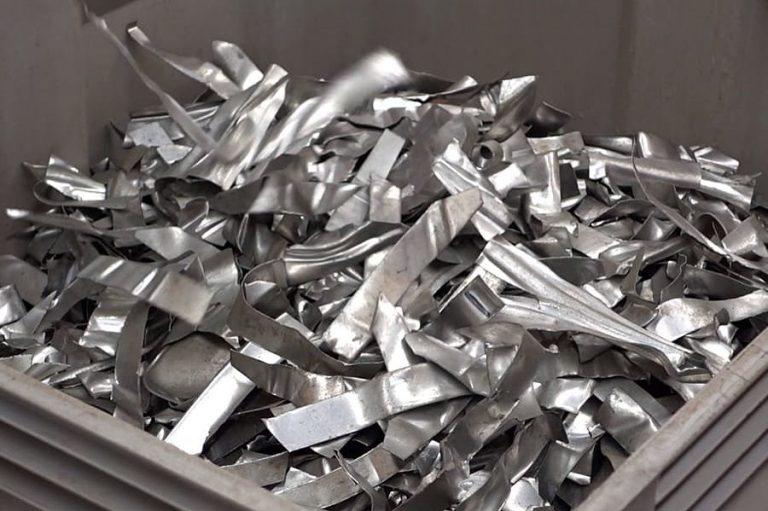
- Mixed grades — a pile of stainless offcuts, aluminium extrusion, and brass fittings. Too much work to list individually
- Dirty or damaged items — a corroded copper coil, a cracked brass valve, a motor with the housing still on
- Heavy or bulky items — car parts, steel shelving, industrial machinery that needs a truck to move
- Time-sensitive clearances — a tenancy ending, a factory closing, a renovation deadline
- Commercial quantities — M&E contractor offcuts, shipyard clearances, manufacturing waste
For any of these, see our scrap collection service. We bring the truck, weigh on site, pay on the spot.
The Time Math — Price per Hour, Not Price per Kg
The hidden cost of Carousell is your time. A typical Carousell sale involves:
- Cleaning and photographing the item (15-30 min)
- Writing a listing with description, measurements, material grade (10-20 min)
- Answering lowball offers and "last price?" messages (ongoing)
- Negotiating a meet-up time and location (10-30 min)
- Meeting the buyer, often at an MRT, sometimes a no-show (30-90 min)
- Waiting for payment confirmation
So two to three hours per item, optimistically. If you are getting a Carousell premium of S$50 over dealer scrap price, your hourly rate on that transaction is S$15-25. Fine for a one-off if you enjoy the process. Poor maths if you have a pile of items.
A dealer is typically: drive to the yard or schedule a collection, weigh, sign, get paid. Forty-five minutes end to end. For a 100kg mixed load, that is hundreds of dollars per hour of your time.
The Lowball Reality on Carousell
Anyone who has sold on Carousell knows the pattern. You list at S$200. You get three "S$100 can?" messages, two "is this still available?" ghosts, and one genuine buyer who will meet you for S$150. The headline price you see on similar listings is rarely what the item actually sold for.
Dealers don't negotiate grade below what the material actually is. Copper No. 1 is copper No. 1. The price is the LME copper price minus a published margin. If you know your grade, you know your price before you arrive. That predictability is worth something.
The Hybrid Strategy
The smartest sellers we see do both:
- Pick out the 1-3 items that have clear hobbyist appeal and list those on Carousell with good photos, firm prices, and a one-week window
- If they sell, great. If not, they join the dealer pile
- Everything else goes to the dealer in a single trip or collection
This captures the Carousell premium where it exists without turning your evenings into a part-time marketplace job.
When Carousell Actively Hurts You
Two cases where Carousell can cost you money rather than make you more:
- Catalytic converters — if you list a cat on Carousell with the vehicle model visible, you are telling the world you have it. Cats are theft targets. Sell through a licensed dealer quietly, at a yard, with paperwork
- Items with provenance questions — if you can't easily prove where something came from, a dealer's ID-and-ticket paperwork is your protection. A Carousell meet-up with no documentation is not
For anything vehicle-related, see our scrap car service.
The Honest Summary
Carousell is a good tool for 1-3 clearly identifiable, hobbyist-appealing items where the premium over scrap price is real. A licensed dealer is the right answer for bulk, mixed, bulky, or commercial loads where your time has value and you want a documented, predictable transaction. The two channels are complements, not competitors. Use both, for the right things, and you'll maximise what you actually take home.
Sell your scrap today. Molten Steel buys at LME-benchmarked rates across Singapore. Call +65 9106 7577 or WhatsApp.