
How to Handle Construction and Demolition Waste Efficiently
So, here is a guide from a Singapore scrap metal dealer that works alongside demolition contractors, with the best ways to manage the waste on your construction sites.
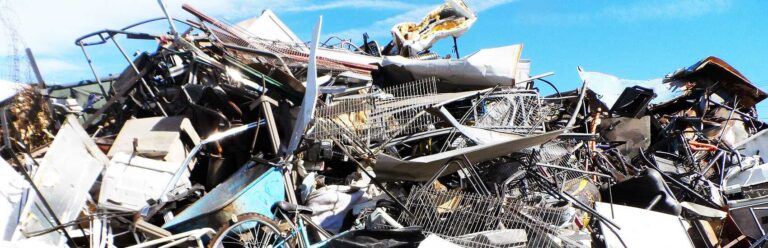
What do we consider a Construction & Demolition waste? Demolition wastes are diverse mixtures of building supplies such as concrete, wood, paper, metal, insulation, and glass frequently contaminated with paints, fasteners, adhesives, wall coverings, insulation, and dirt. These wastes are found not only during restoration and remodeling projects but also when existing structures are totally dismantled or partially destroyed due to artificial processes or natural disasters like earthquakes, floods, hurricanes, etc. As stated above, C&D materials often comprise extensive, hefty materials like:- Concrete
- Wood (from buildings)
- Asphalt (from roads and roofing shingles)
- Gypsum (the main component of drywall)
- Metals
- Bricks
- Glass
- Plastics
- Salvaged building components (doors, windows, and plumbing fixtures)
- Trees, stumps, earth, and rock from clearing sites
Instead of disposing or throwing away, try doing these things if you got demolition waste at your facility.
- Donate; when in good condition:-
- Start with the Construction site:-
- Call on team meet:-
- Say no to excess packaging:-
- Trust well-known Recycling companies in Singapore.
- Be very much aware of the Types of construction and demolition projects.
Let the professionals intervene!!
Trust Molten Steel, a Singapore scrap metal dealer since 2006; we work alongside demolition contractors to recover, weigh and buy the metal from their sites. We acknowledge both ferrous and nonferrous metals and will provide you with the correct valuation of the scrap metal. Hire our specialists and partake in a hassle-free scrap metal recycling process.Construction & Demolition Waste: More Answers
Does Molten Steel carry out demolition work?
No. Molten Steel is a scrap metal dealer, not a demolition contractor. On demolition jobs we work alongside the demolition contractor and buy the metal: structural steel, rebar, pipe, cable and M&E items. For larger clearances, our own team can handle removal of the metal. See demolition site scrap metal recovery for how this works.
Who collects non-metal construction waste like concrete and wood?
Non-metal construction waste, such as concrete, bricks, timber, gypsum and plastics, goes to licensed general waste collectors and construction and demolition (C&D) recyclers. A scrap metal dealer takes only the metal. Separating metal from the rest on site lets you sell it instead of paying to have it hauled away with general waste. Our C&D waste metal recovery guide explains the split.
What metal from a construction site can be sold for scrap?
Most site metal can be sold. That includes rebar and mesh offcuts, form ties, scaffolding tube and couplers, steel beams and plate, pipe, ductwork, copper cable and aluminium formwork or cladding. Keep ferrous and non-ferrous apart and keep concrete off the steel. See construction scrap metal for what each item is worth.
Do you provide scrap bins for construction sites?
Yes, for larger or ongoing jobs. We provide scrap bins, 40-footer trailers for long steel and low-bed trailers for oversized items, and swap or collect them as they fill. Separate bins for ferrous and non-ferrous metal earn a better rate. See scrap metal bins and trailers for sizes and how scheduling works.
Does mixing metal with other construction waste reduce its value?
Yes, mixing usually reduces its value. Metal buried in concrete, timber or general debris has to be picked out before it can be weighed and graded, so it attracts deductions or may be rejected. Clean, separated metal is paid at its proper grade. A dedicated metal skip on site is the simplest way to keep it clean. Read clean vs dirty scrap grading.
Ready to sell? Licensed demolition contractors in Singapore — Molten Steel buys at LME-benchmarked daily rates. Free pickup across Singapore, same-day payment.
Explore more: Scrap metal services in Singapore · All metals we buy · Get a quote